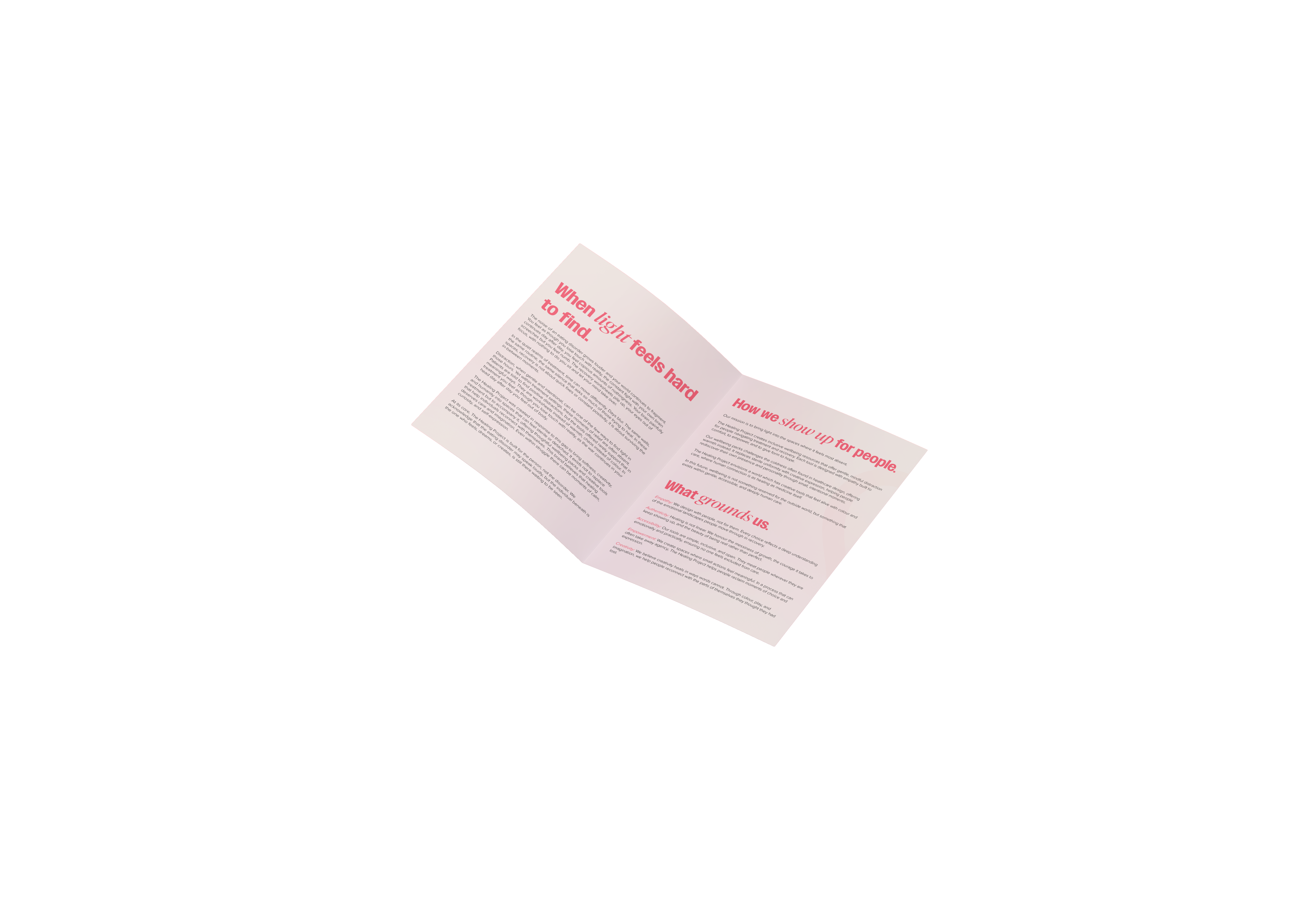

Designing a brand experience that brings empathy into clinical environments.
This project explores how design can support people receiving in-patient treatment for eating disorders, creating a sense of calm, identity, and emotional connection where clinical systems often fail to.
To understand this space, I explored both theory and practice through human-centred design and emotional wellbeing frameworks.
The problem wasn't access to information. It was how that information was delivered.
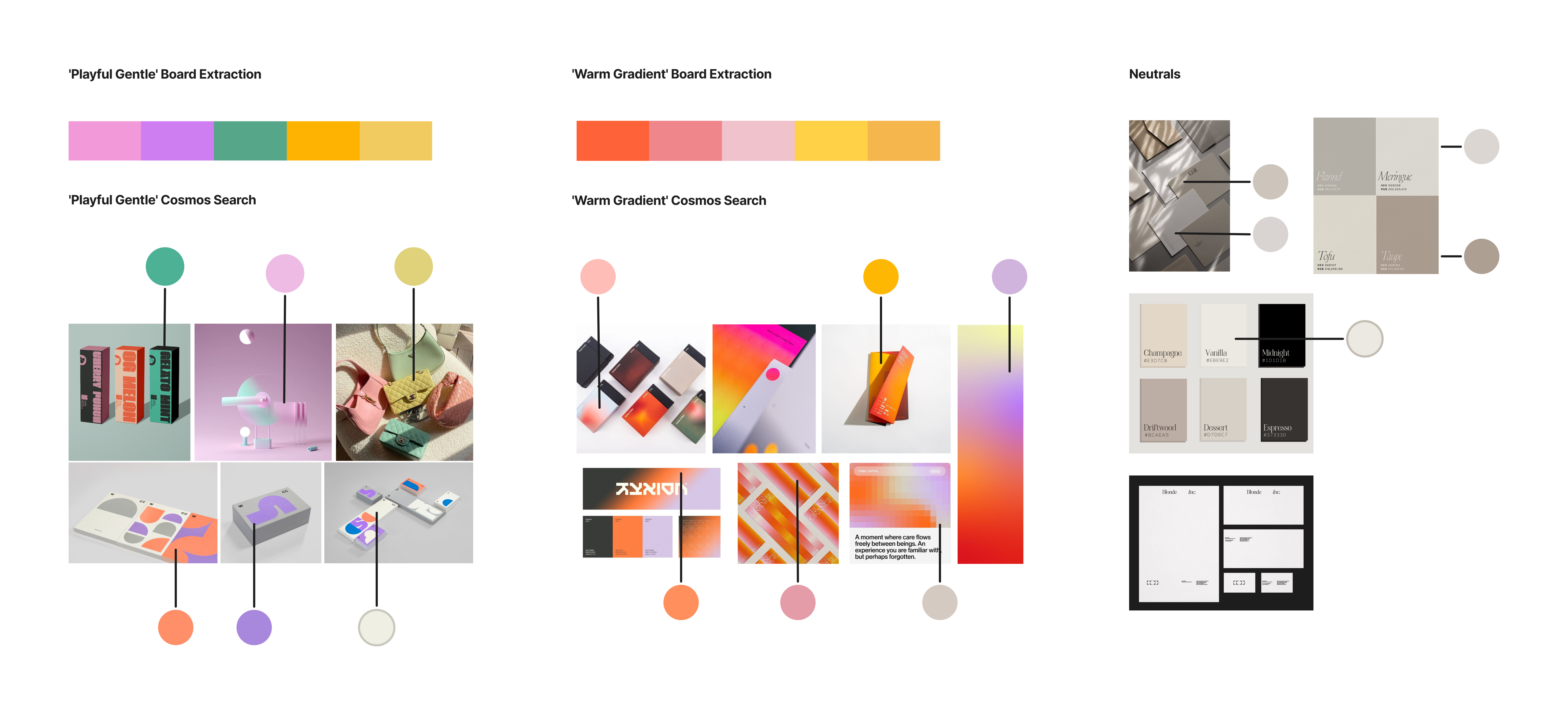
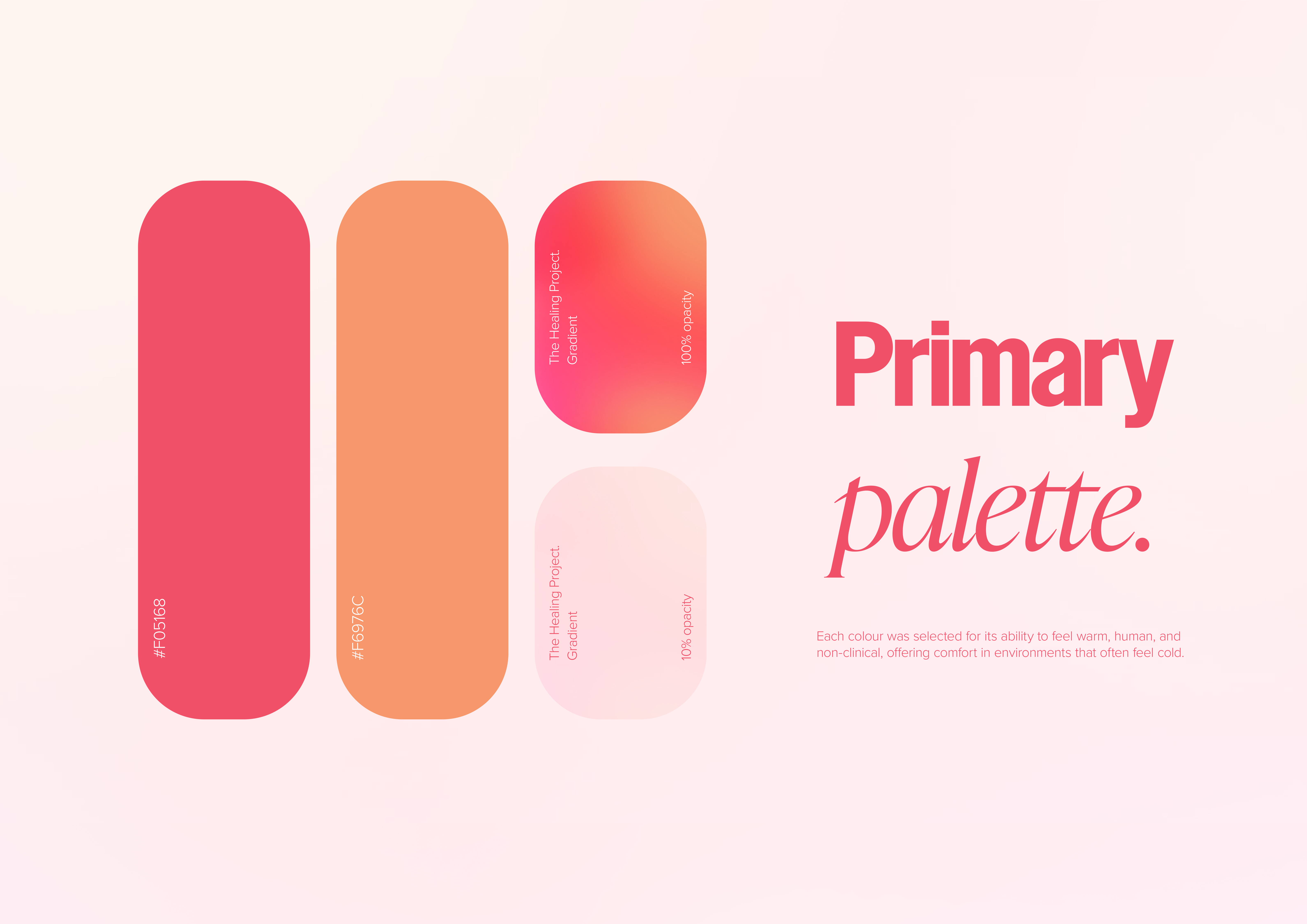
Warm neutrals and soft forms created a sense of calm, while rigid layouts felt distant and clinical.
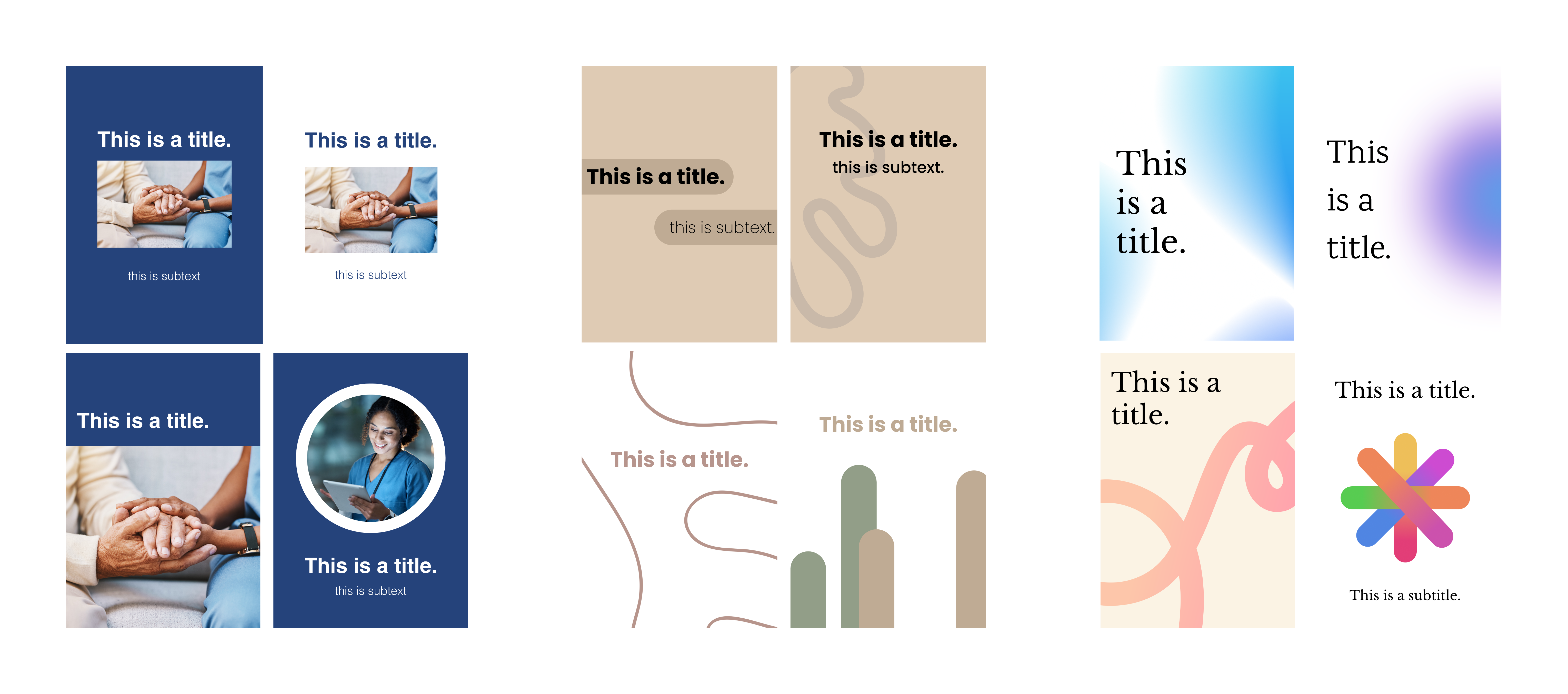
I tested how different visual approaches could balance professionalism with emotional warmth.
Language was as much a design decision as colour or form. The tone needed to feel warm and conversational without being dismissive of the seriousness of the experience.
Words had to hold space for someone in one of the hardest moments of their life.
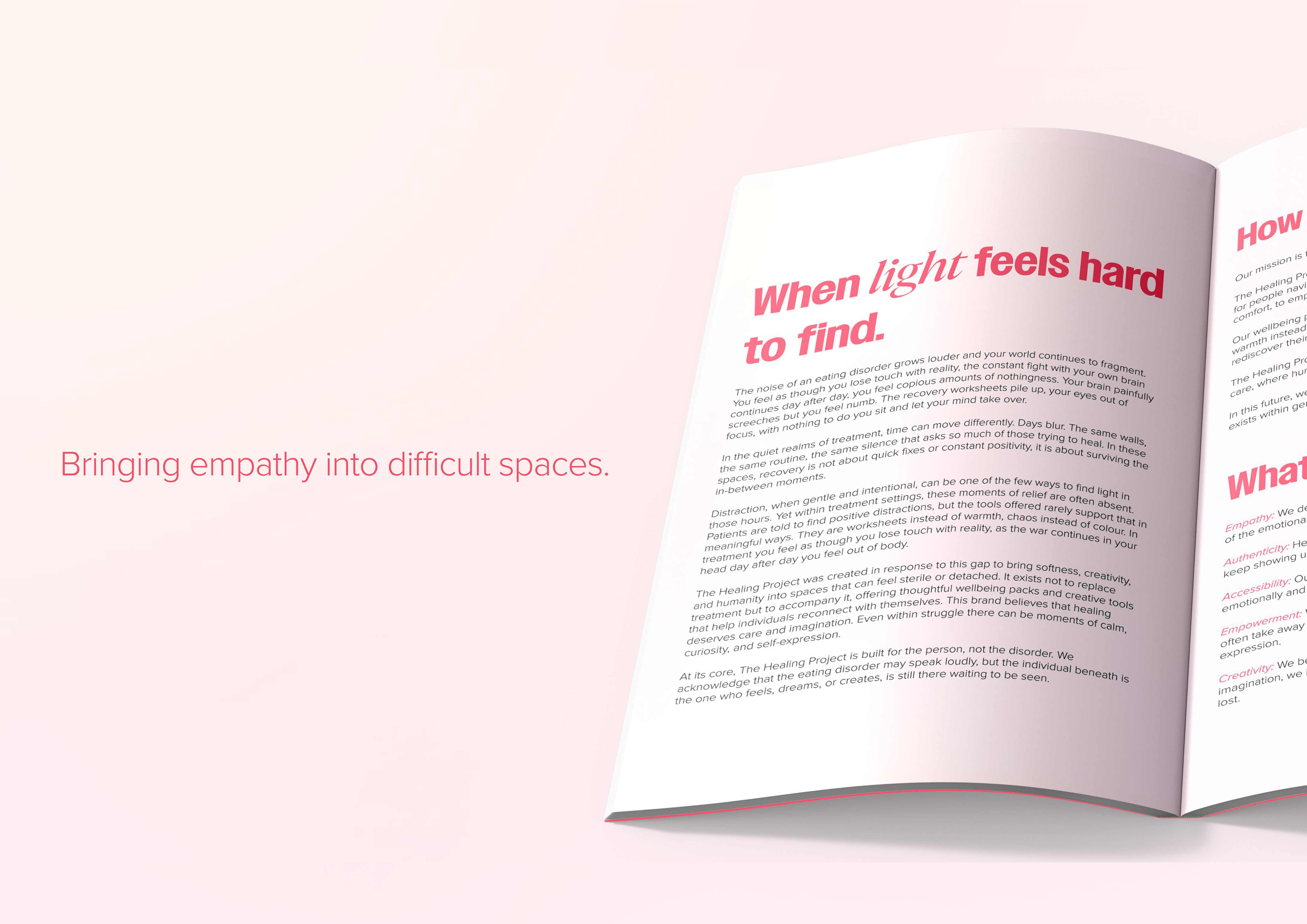
I developed a voice that was gentle, grounded, and human. Avoiding clinical language entirely, the copy was written to feel like it came from someone who understood, not a system that was processing you.
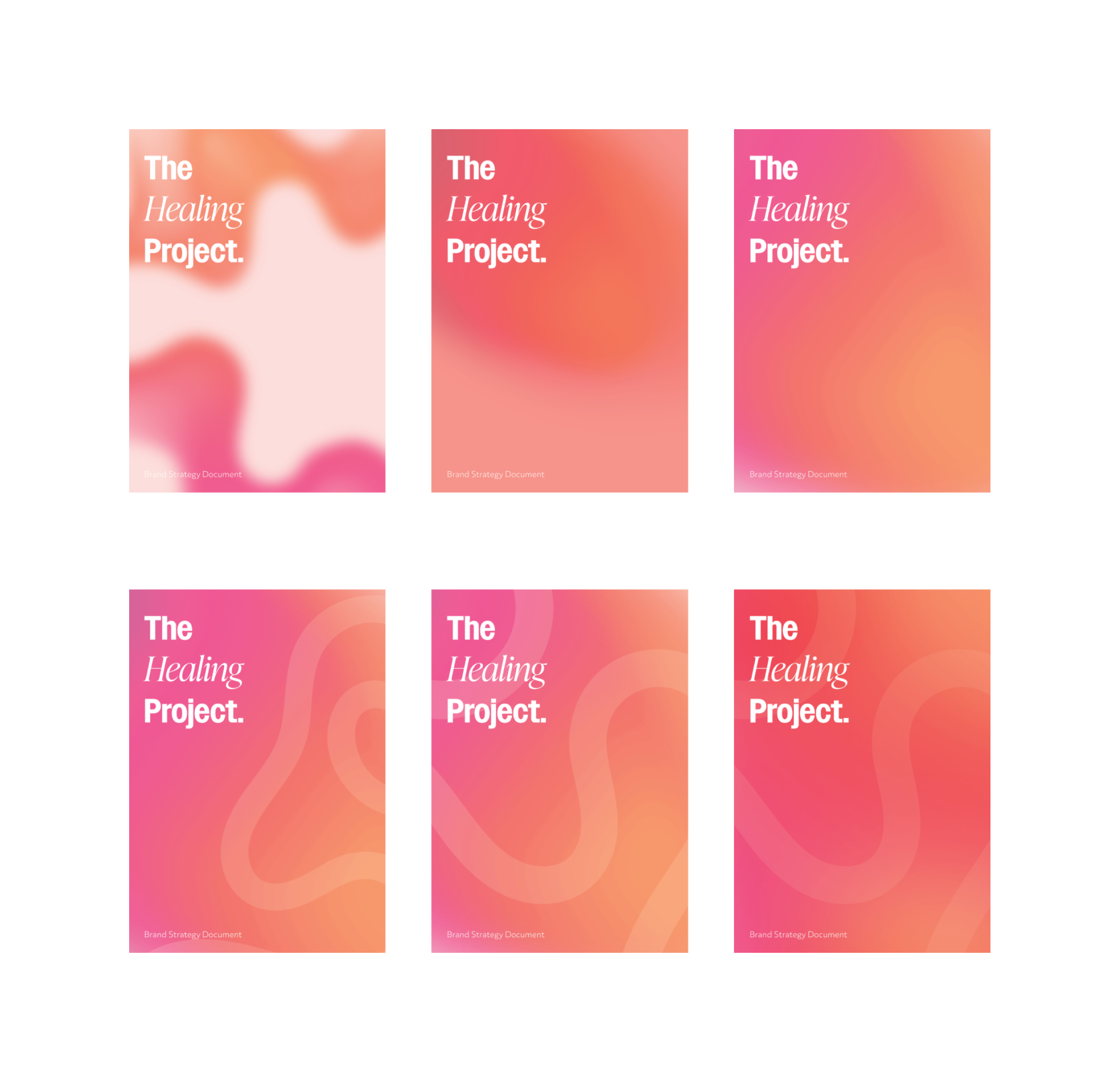
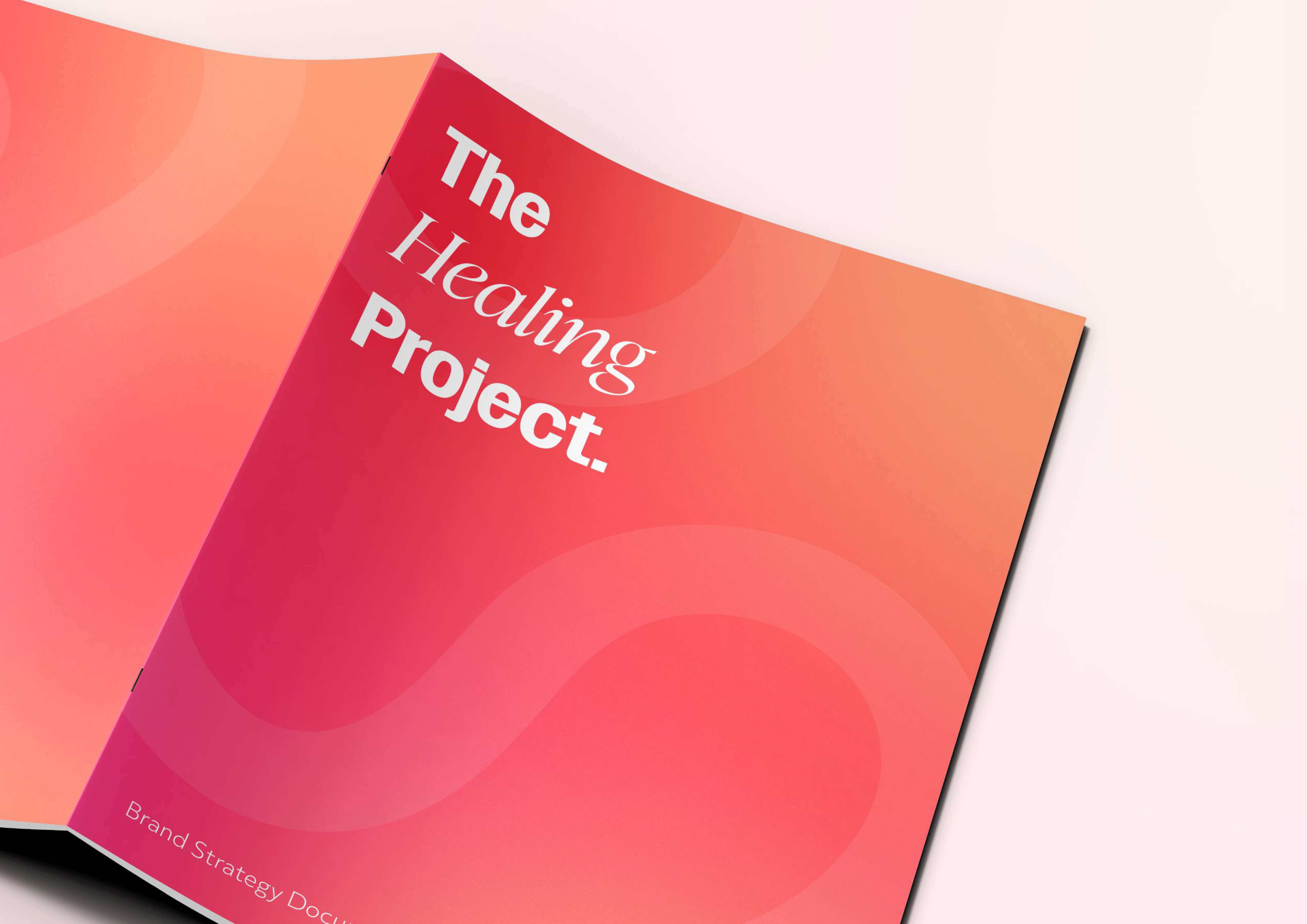
The final outcome is a brand strategy for non-clinical wellbeing packs, designed to support patients during in-patient treatment and give them a sense of identity beyond their diagnosis.
The project demonstrates how design can reduce emotional barriers and create more human-centred experiences within clinical spaces.
This project reshaped how I approach design. I learned that clarity is not just functional, it's emotional, and that designing for sensitive topics requires empathy as much as structure. If I were to continue, I would expand testing and further refine tone through real user feedback.