How could reflecting on spending feel more approachable for young adults?
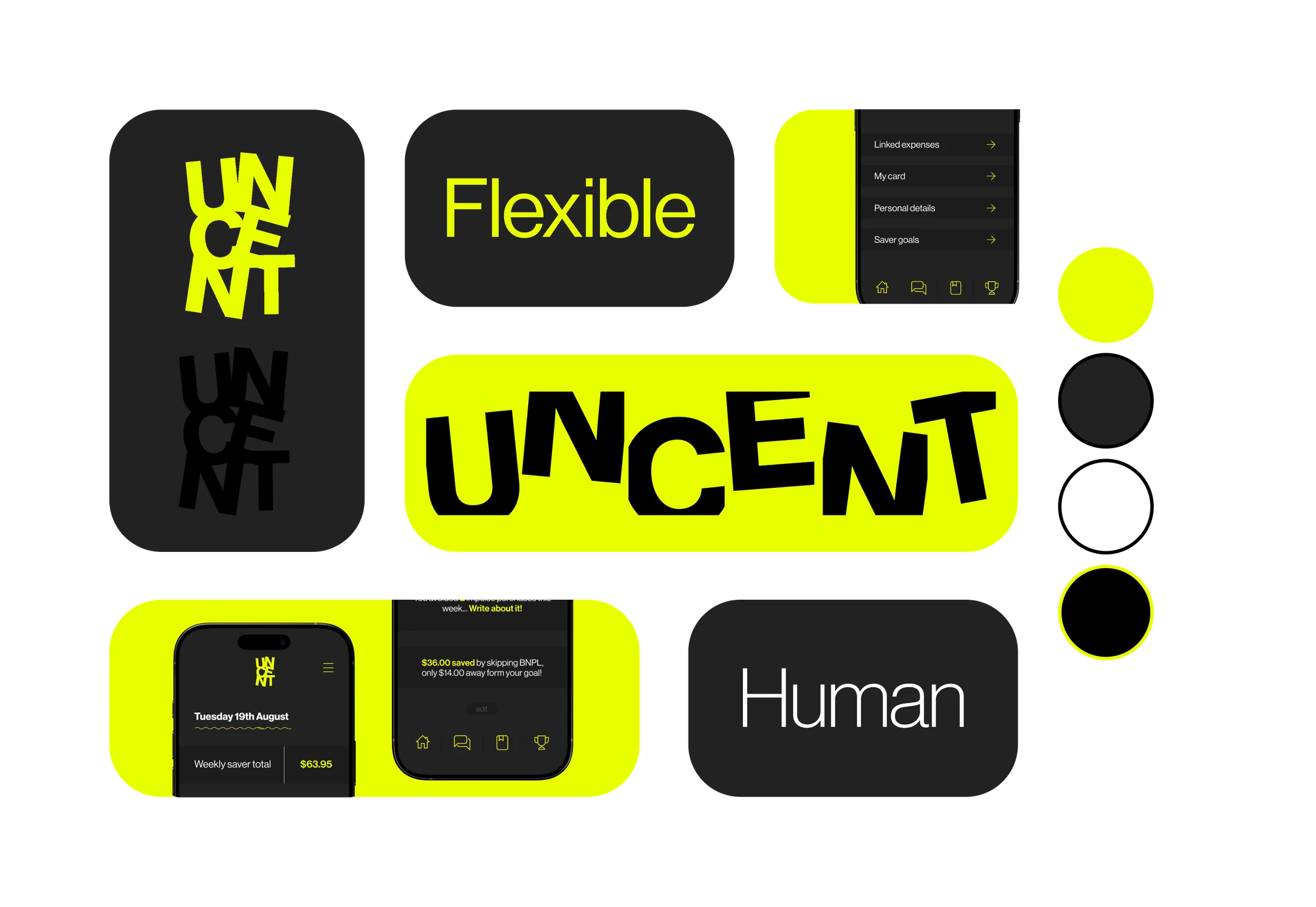
UNCENT began with research into social comparison, financial confidence, and Buy Now, Pay Later services. It became a journalling web-app concept that encourages reflection on spending habits and recognition of small wins.
Understanding the problem
I interviewed four young adults about money management, financial pressures, and their perceptions of Buy Now, Pay Later services.
Money management was also emotional
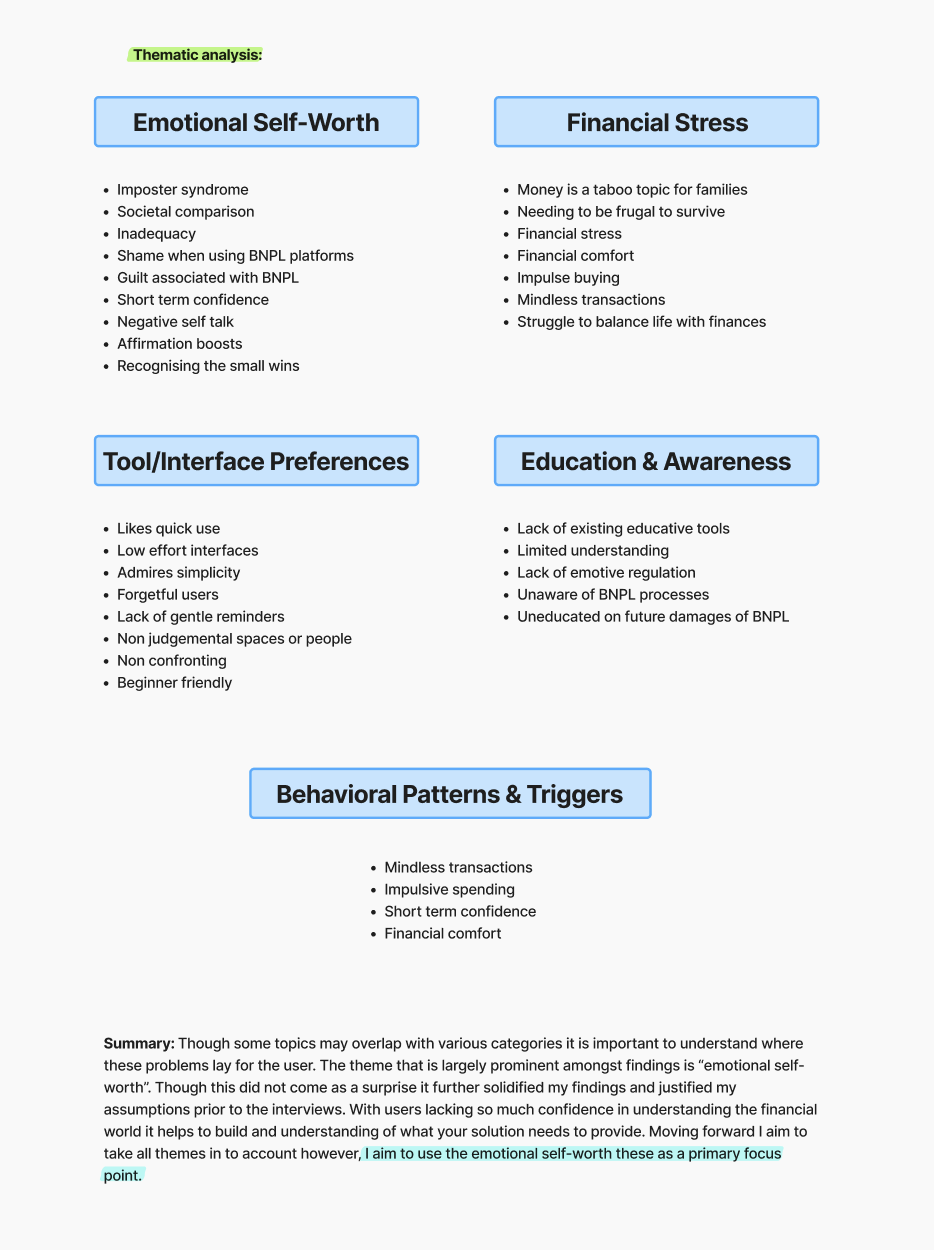
Participants described social comparison, uncertainty around repayments, and different levels of confidence managing money.
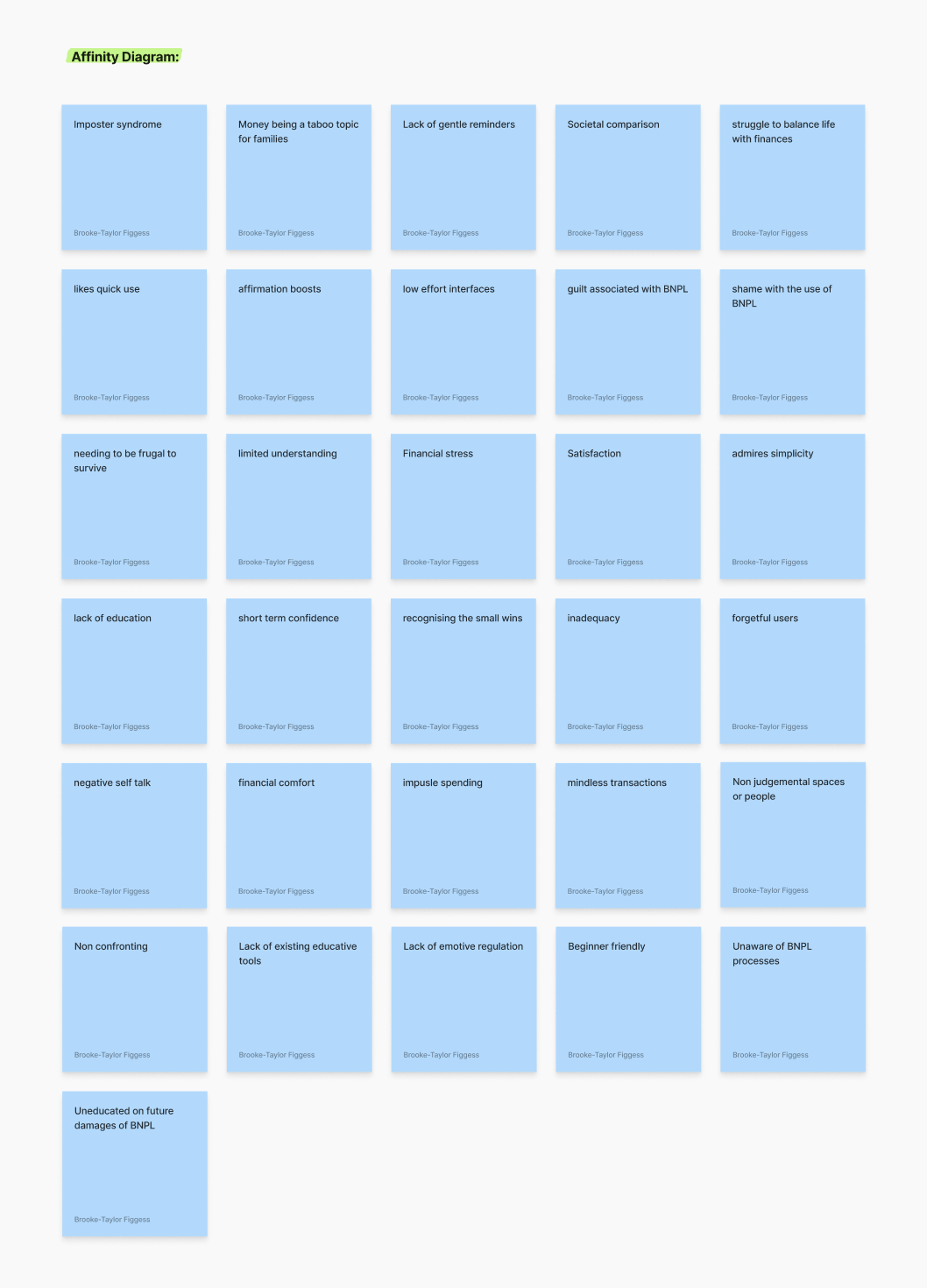
Grouping these findings highlighted an opportunity for simple, non-judgemental reflection alongside practical financial understanding.
View the interview affinity diagram
From research to a concept
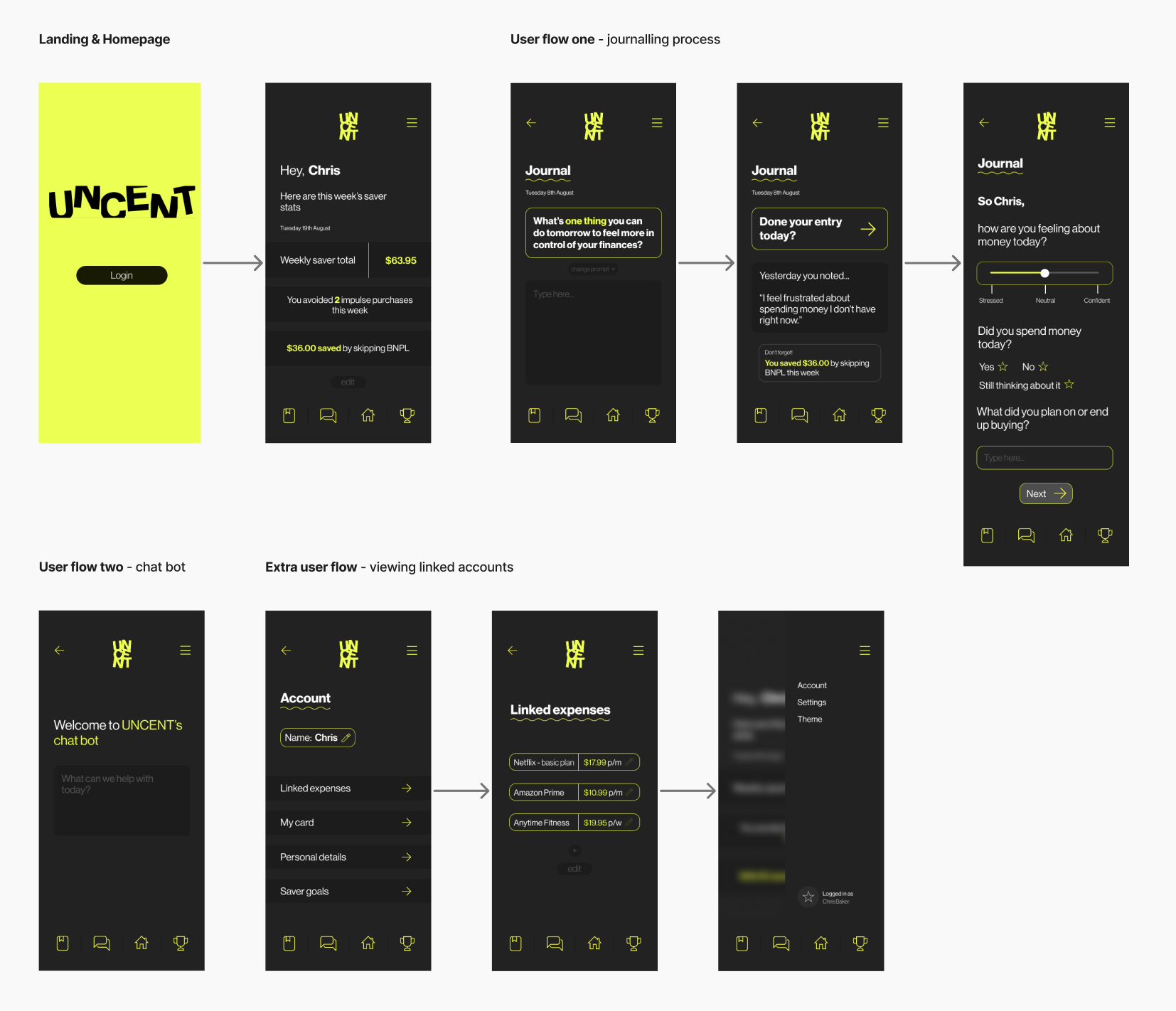
I developed a journalling concept centred on manageable prompts, emotional check-ins, and acknowledgement of positive spending decisions.
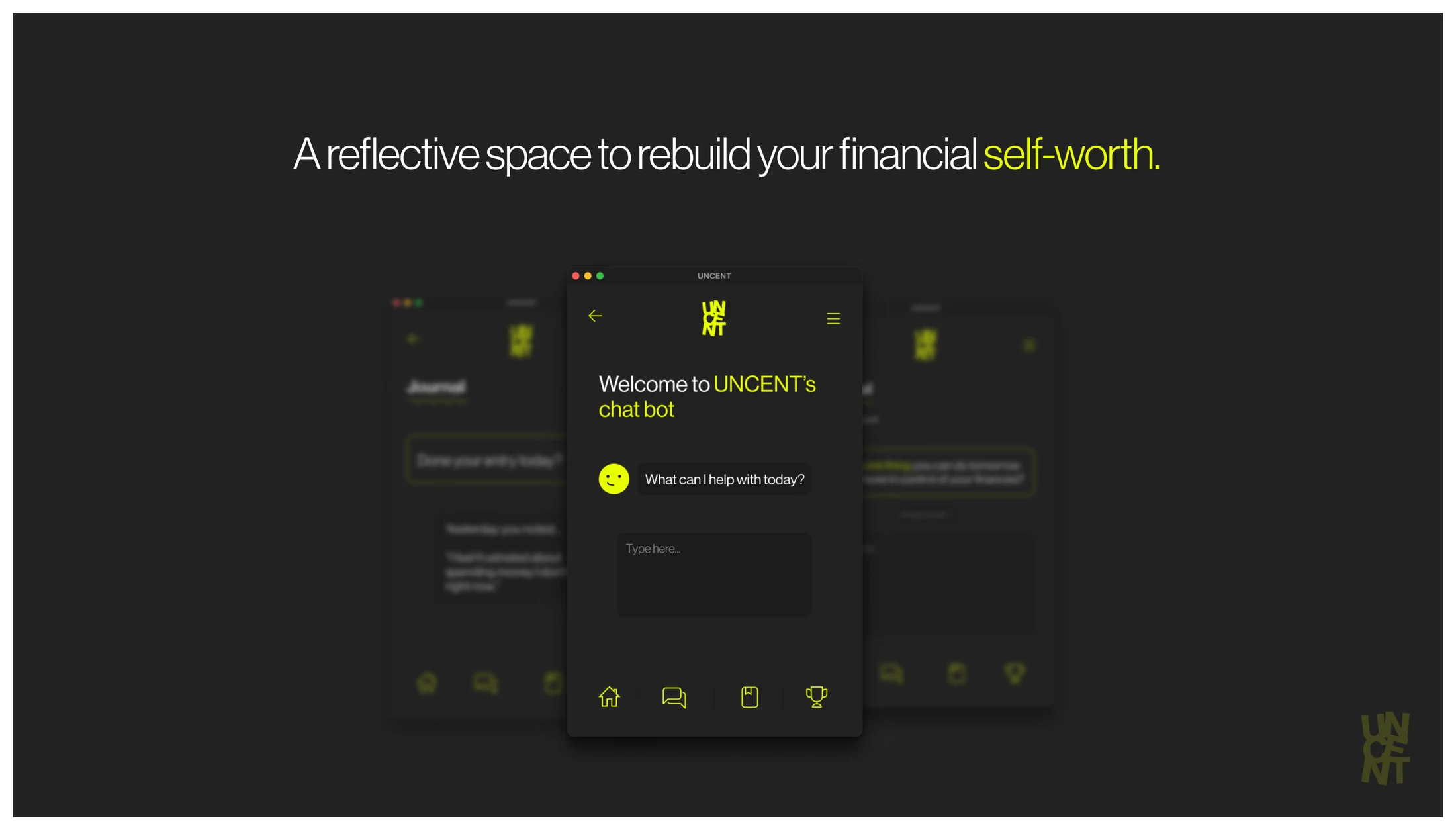
Early prototypes explored how users would enter the app, reflect in their journal, and access account information or the proposed chat feature.
Responding to feedback
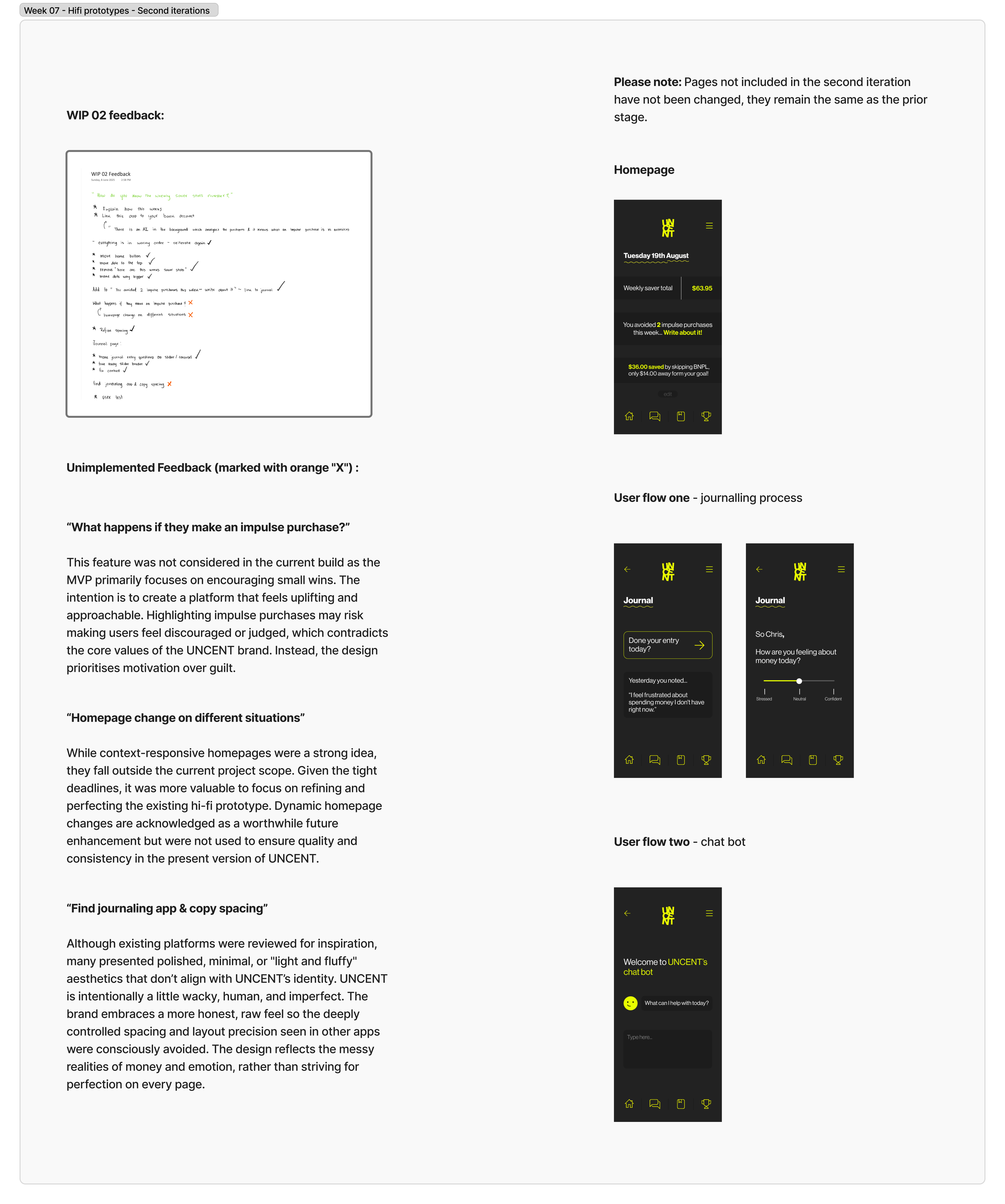
Work-in-progress feedback prompted changes to the homepage hierarchy and journal layout. I refined the date placement, navigation, and text treatment while keeping reflection central to the experience.
Defining the scope
I deferred context-responsive homepages and focused the initial version on recognising small wins. Supporting users after an impulse purchase remained an important gap to revisit.
Testing the experience
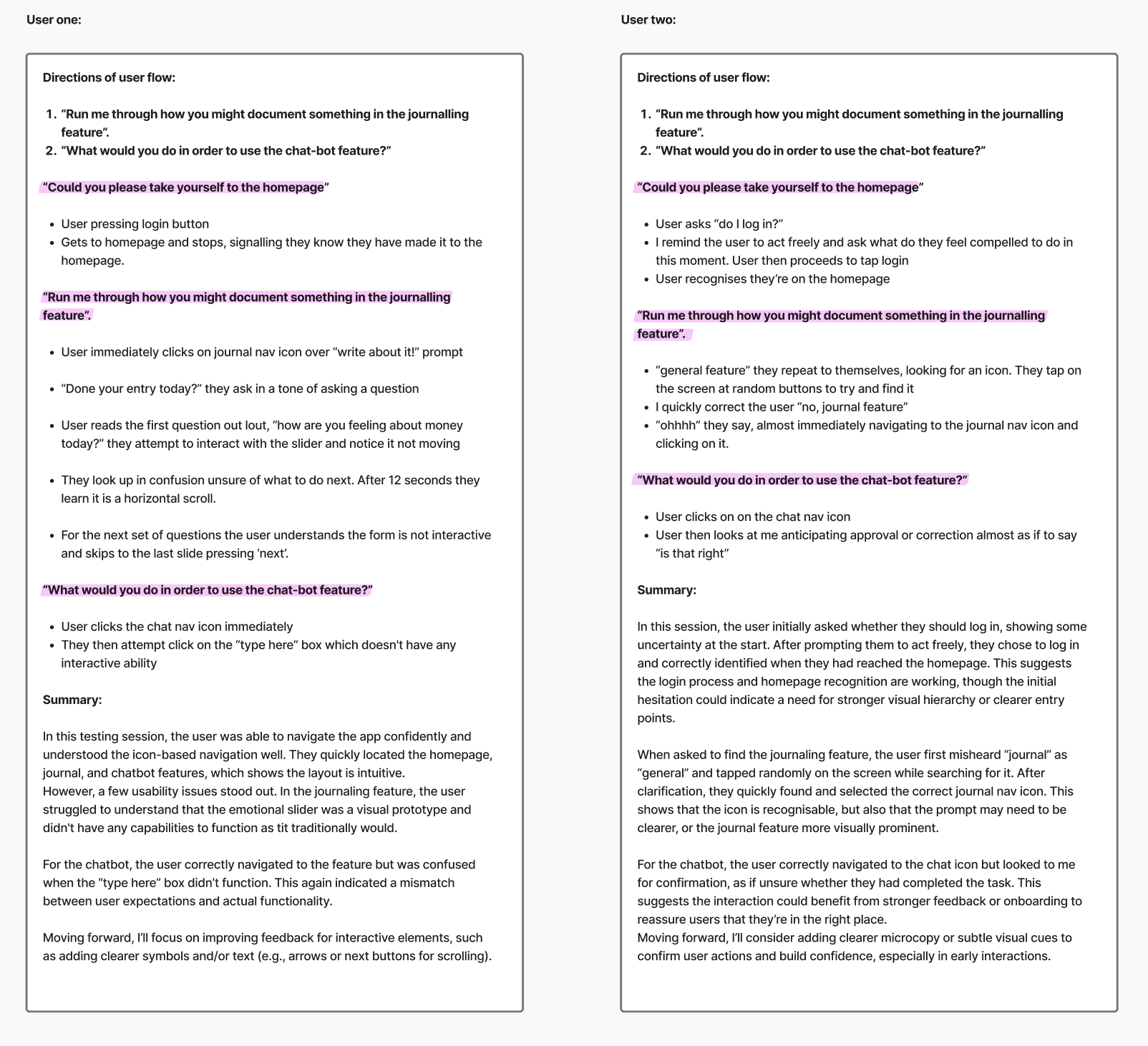
Paper-prototype testing explored access to the account and journal. Later, two participants tested navigation to the homepage, journal, and chat feature.
Progression needed clearer guidance
One participant struggled to discover horizontal scrolling within the journal. Non-functional prototype controls also caused confusion when participants expected to use them.
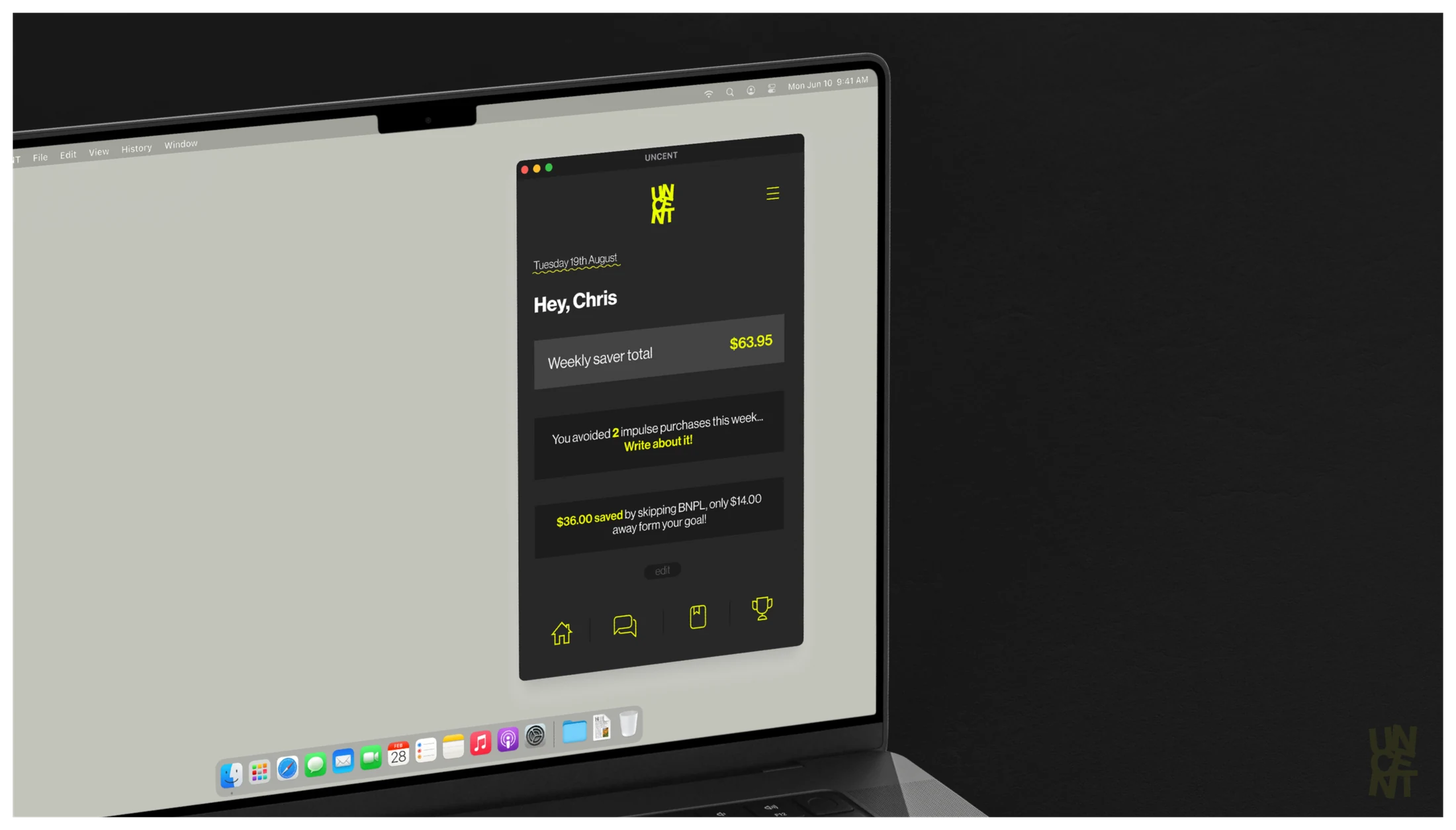
Following testing, I added “Next” buttons to guide progression through the journal and restored a personalised homepage greeting.
View the usability testing notes
The outcome
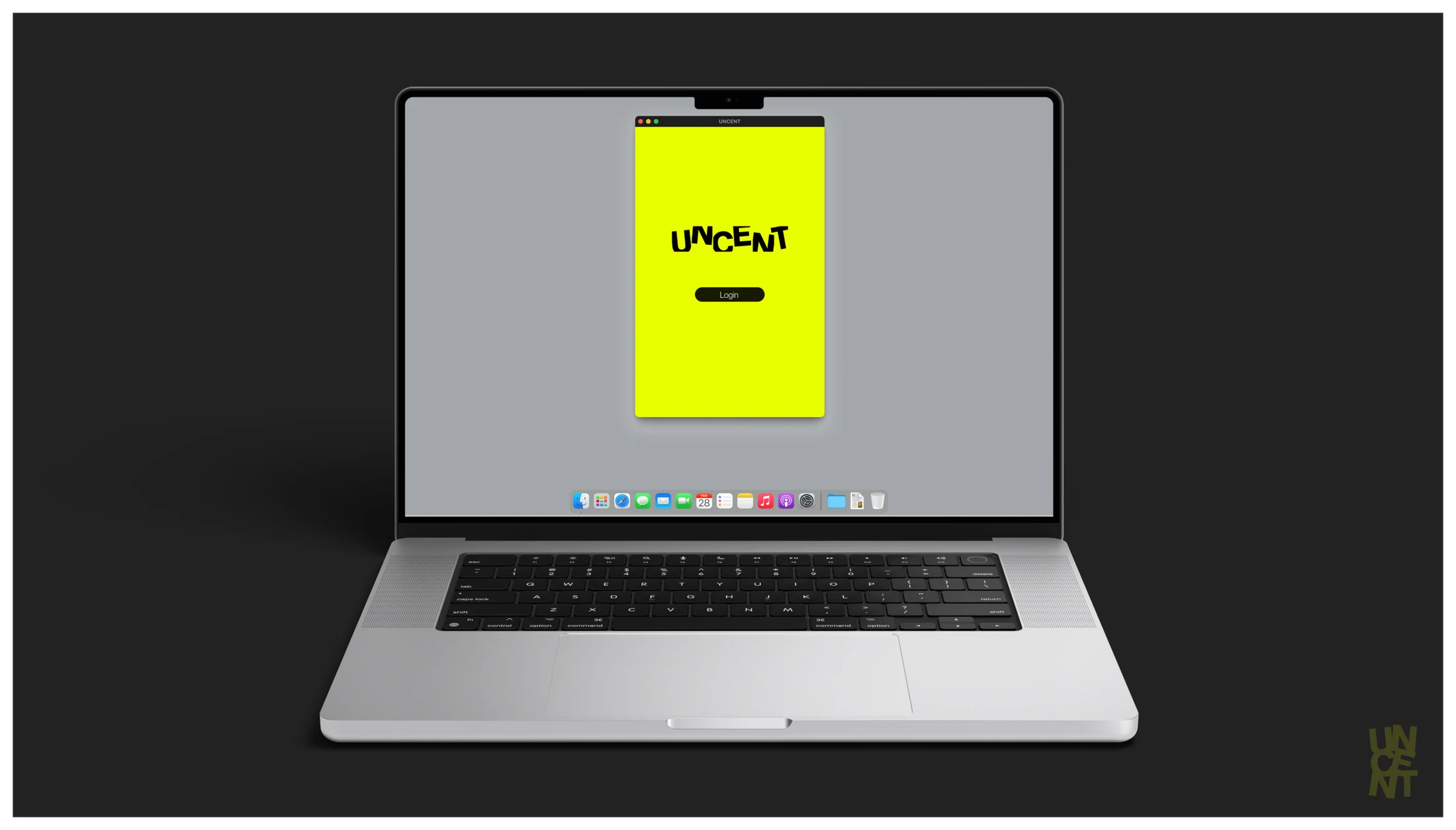
The project produced a visual identity, interactive prototypes, and a coded web-app build with journal-form submission connected to a database.
The experience brings together guided reflection and recognition of positive spending decisions. Its longer-term effect on financial habits remains untested.
Reflection
I learned to distinguish interface problems from prototype limitations, and to make the next action clear rather than relying on users to discover it.
Next, I would recruit a more balanced mix of BNPL users and non-users, test fully functioning journal controls, and explore support after an impulse purchase—not only when celebrating progress.